Blog of Kashmir Welness & SPA Hotel

KASHMIR WELLNESS & SPA

Clay therapy: what the procedure involves and what to expect

Clay therapy is a wellness and cosmetic procedure in which specially selected clay is applied to the skin. It can be part of a relaxing ritual aimed at skin care, a pleasant feeling of comfort and complete detachment from everyday life.

At the Kashmir Wellness & SPA Hotel in Velingrad, clay therapy is part of the wellness programme, which combines body care, tranquillity and closeness to nature. Depending on the programme, it can be combined with yoga, guided meditation, herbal therapy and breathing practices.

What is clay therapy?

Clay is a natural material that has been used in cosmetic and spa rituals for centuries. Depending on its origin, it can have a different colour, structure and mineral composition.

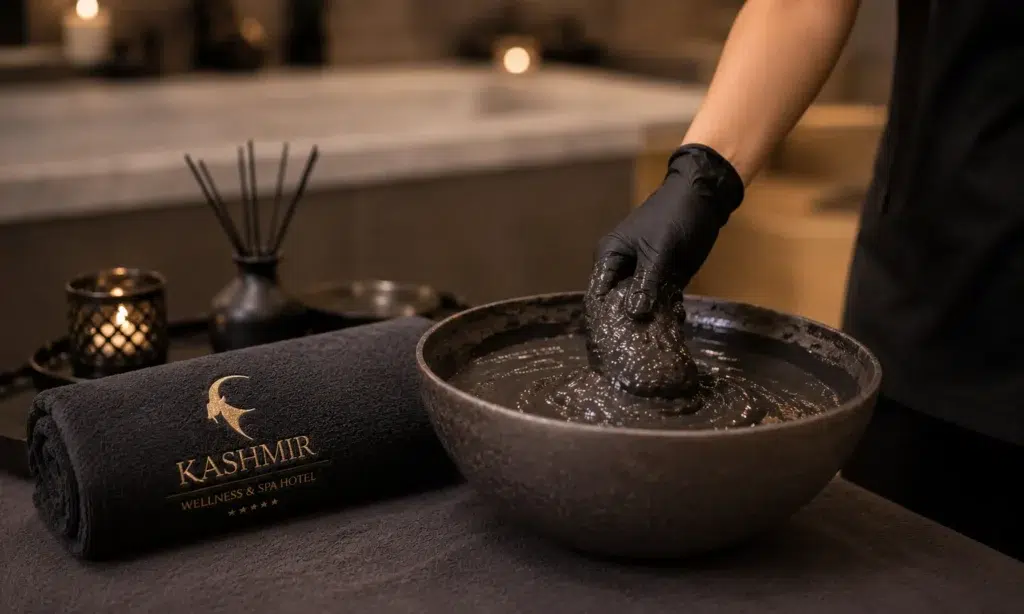
During clay therapy, a suitable clay mixture is applied to a specific area of the body. The guest then spends some time in a relaxing atmosphere until the treatment is finished. Finally, the clay is carefully removed, and the skin is cleansed and moisturised according to the therapist's instructions.

The procedure can be local or incorporated into a more comprehensive wellness ritual. The specific steps depend on the type of clay, the area of application and the chosen programme.

Clay therapy and mud treatment –
are they the same?

Clay therapy and mud treatment are often mentioned together, but they are not entirely the same procedures.

Clay therapy

It uses cosmetic or natural clay.


It is usually part of a spa and wellness ritual.


Focuses on relaxation
and skincare
.

The approach depends on the type of clay and skin.

Pelotherapy

It uses therapeutic mud or peloid.

It can be part of a balneotherapy programme.

It is carried out according to a specific therapeutic method..

It requires a more specialised judgement.

The two procedures use different materials and have different methods of application. For specific health conditions, a consultation with a medical professional is necessary.

How does clay therapy work?

1. Consultation with a GP

Before you begin, it is important to share whether you have sensitive skin, allergies, irritations or any other special conditions. This allows the therapist to determine how the procedure should be carried out.

2. Skin preparation

The skin must be clean and free of heavy cosmetic products. The therapist may provide additional instructions depending on the type of procedure and the chosen area.

3. Applying the clay

The clay mixture is applied evenly to the chosen area. You may feel a slight cooling, warming or gradual tightening of the skin.

4. Time to relax

While the clay remains on your skin, you can relax in a peaceful atmosphere. Avoid sudden movements and inform the therapist if you feel any discomfort.

5. Troubleshooting

After the procedure, the clay is carefully removed. The skin is cleansed and, if necessary, a moisturising product is applied.

What can we expect after the procedure?

Clay therapy is usually seen as a pleasant ritual for relaxation and skin care. After it, you may experience:

  • softer and smoother skin;
  • feeling of freshness
  • enjoyable relaxation
  • short break from daily stress;
  • more comfort and ease.

The result depends on the type of clay, individual skin and the way the procedure is carried out. Clay therapy should not be presented as a guaranteed treatment for diseases, cellulite or other medical conditions.

How to prepare for clay therapy?

For a more comfortable experience, it is a good idea to:

  • you drink enough water during the day;
  • do not eat a heavy meal immediately before the procedure;
  • avoid aggressive peeling or shaving on the same day;
  • do not apply heavily scented products to the area;
  • inform the therapist of any allergies and sensitivities;
  • wear comfortable clothes for after the procedure.

If you have an active skin condition, open wounds, severe irritation or are pregnant, seek professional advice beforehand.

Hernia after clay therapy

After the procedure, allow the skin to calm down and avoid aggressive cosmetics or strong peeling on the same day. Drink water and do not plan overly strenuous activities immediately after the ritual.

If you combine clay therapy with a sauna, steam room or mineral pool, follow the recommendations of the spa team. Sometimes it is more appropriate to leave a short break between individual treatments.

Photo with image Hotel menu and phone

KASHMIR WELLNESS & SPA HOTEL

Hotel Prices

Take a look at our specially selected offers for a stay at KASHMIR WELLNESS & SPA HOTEL

Clay therapy in the Kashmir Wellness programme

Clay therapy can be part of a more comprehensive wellness experience at Kashmir Wellness & SPA Hotel. According to the current programme, guests can combine their self-care time with:

  • Yoga;
  • guided meditation;
  • Herbal therapy;
  • Breathing practices
  • Infusion sauna
  • SPA rituals
  • countryside walks

Activities and the schedule are subject to change, so it is advisable to make a booking in advance and check the current programme prior to your visit.

Clay therapy is suitable for people looking for a relaxing wellness ritual, skin care and time to fully unwind. Combined with the rest of the services at The wellness programme и The spa area it can turn a stay in Velingrad into a pleasant and balanced experience.

Read more

22 September

Michelin Key 2026 — for the second year running!

Michelin Key 2026 — for the second year running!

READ MORE

22 September

Adults-only hotel: What does 'adults only' mean and who is it suitable for?

Adults Only Hotel: What does it mean? — Kashmir Wellness & SPA Hotel

READ MORE

16 September

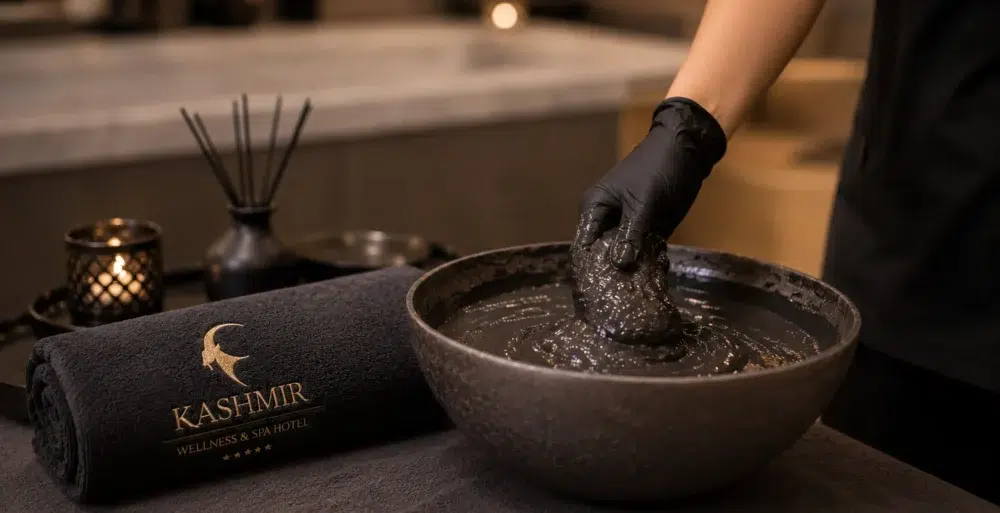
Clay therapy: what the procedure involves and what to expect

Clay therapy: how does the procedure work? — Kashmir Wellness & SPA Hotel

READ MORE

Вашият коментар

Your email address will not be published. Задължителните полета са отбелязани с *